

Low-FODMAP Recipes
Flavor-first meals built around Low-FODMAP ingredients and portion-aware serving sizes, with practical swaps for common ingredients like onion and garlic.
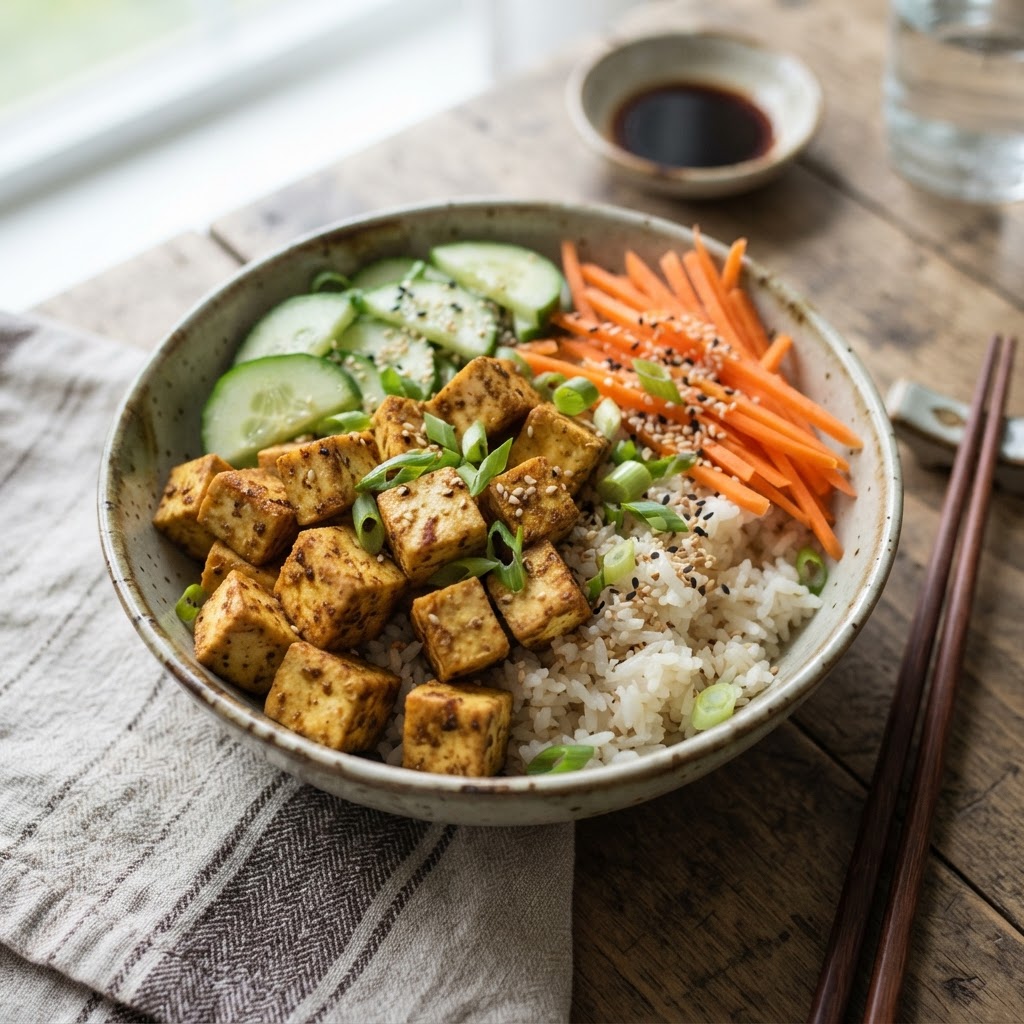
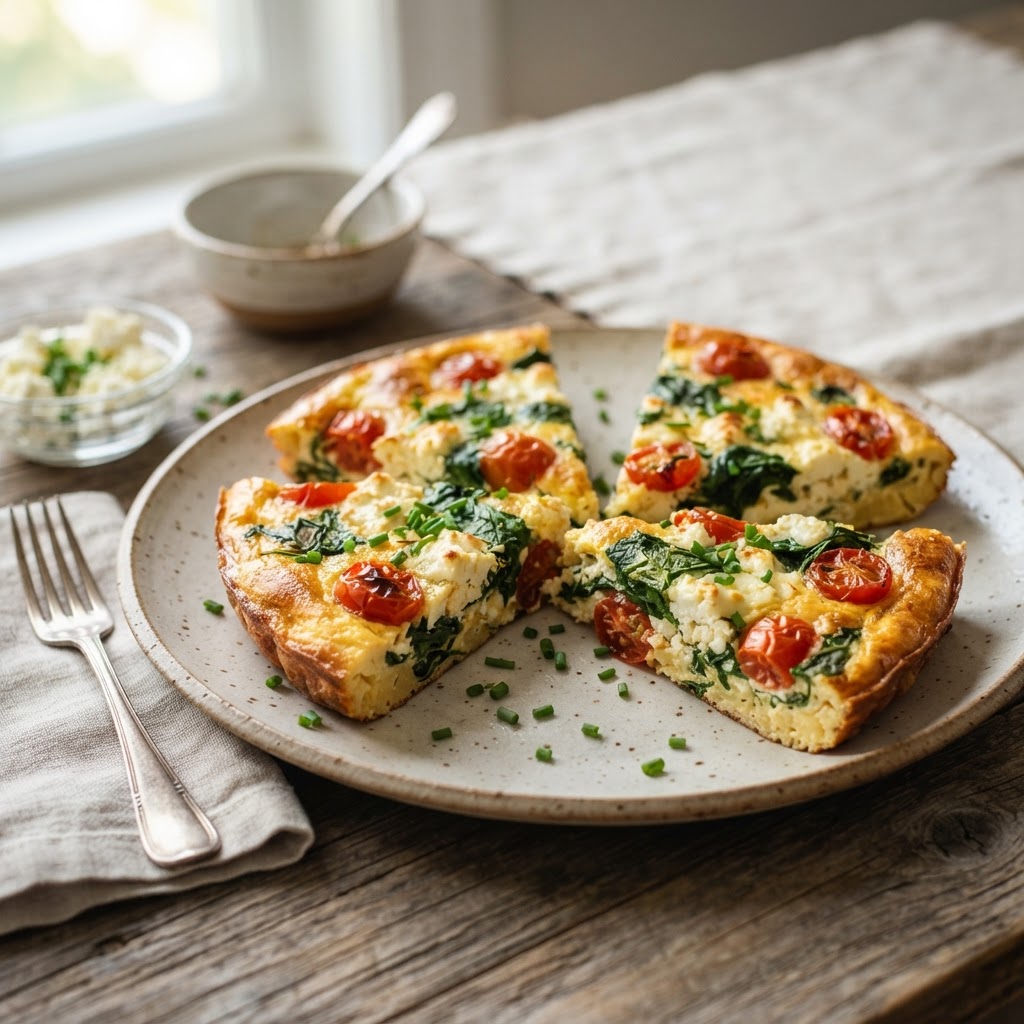
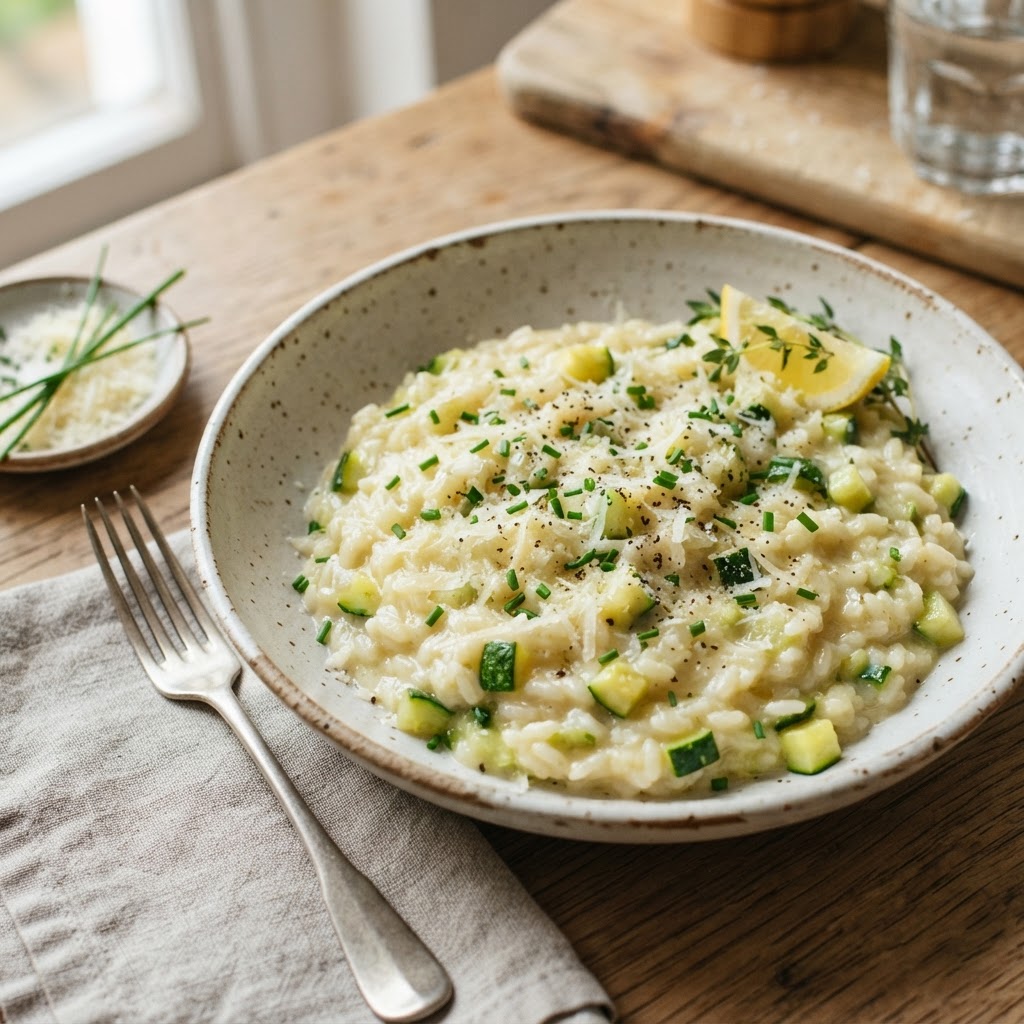
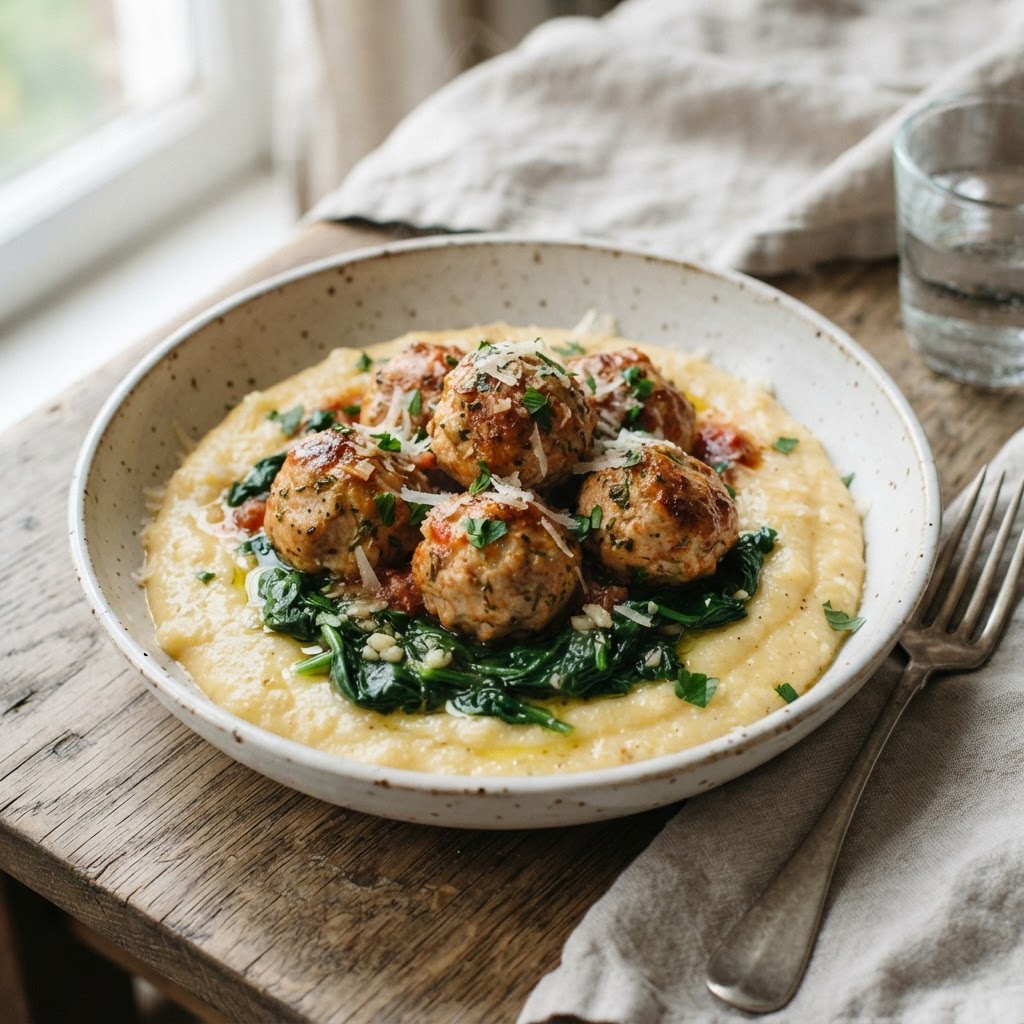
All Low-FODMAP Recipes
Low-FODMAP Sesame Tofu Rice Bowls with Cucumber & Carrot
Low-FODMAP Spinach, Tomato & Feta Frittata
Low-FODMAP Zucchini-Parmesan Risotto with Chives
Low-FODMAP Turkey Meatballs with Creamy Polenta & Spinach
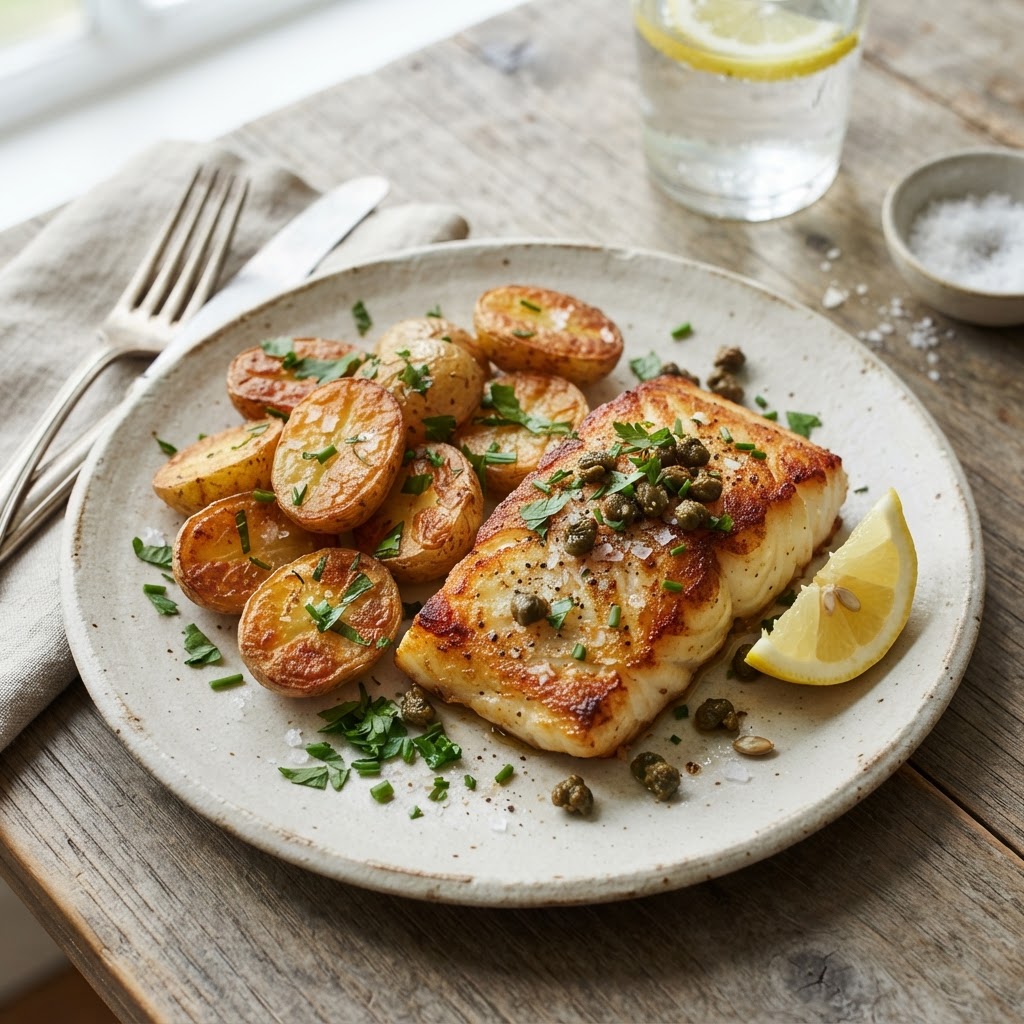
Low-FODMAP Pan-Seared Cod with Lemon-Caper Potatoes
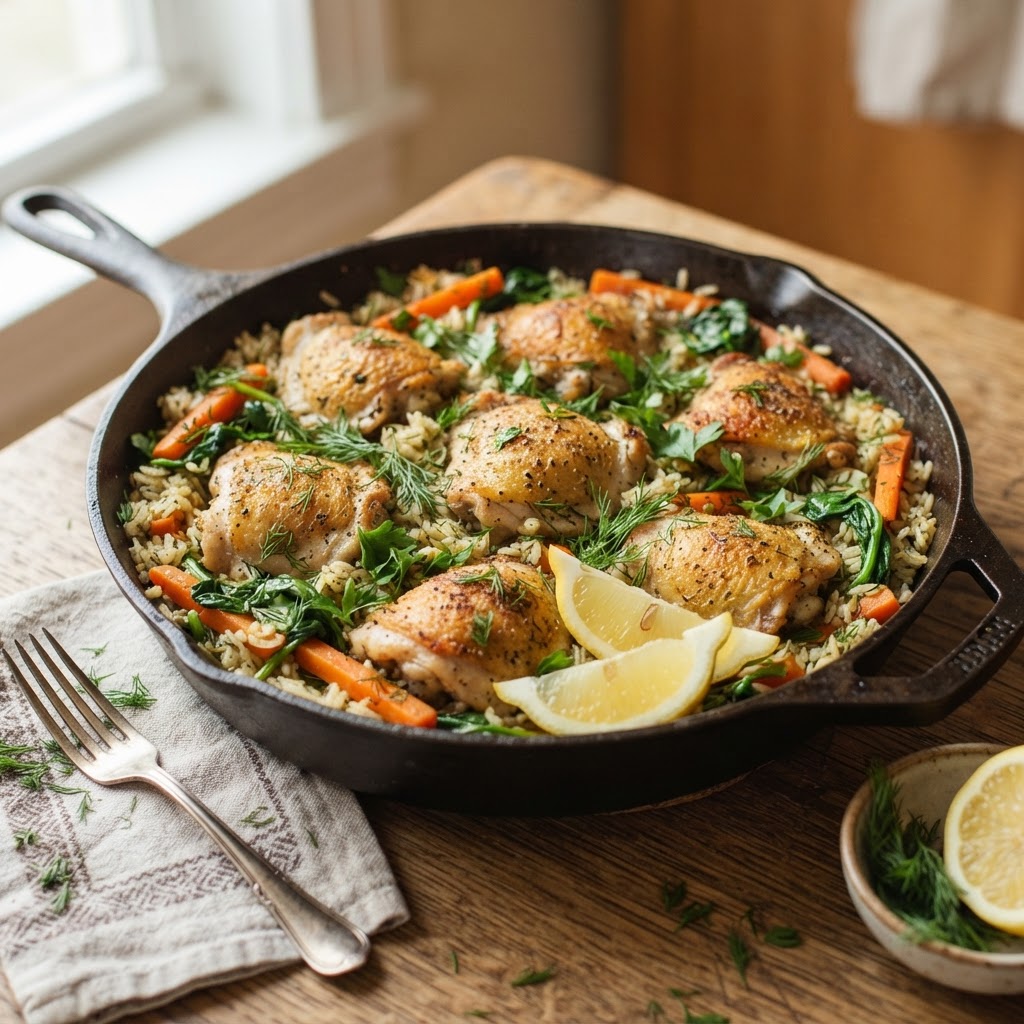
Low-FODMAP Lemon-Dill Chicken & Rice Skillet
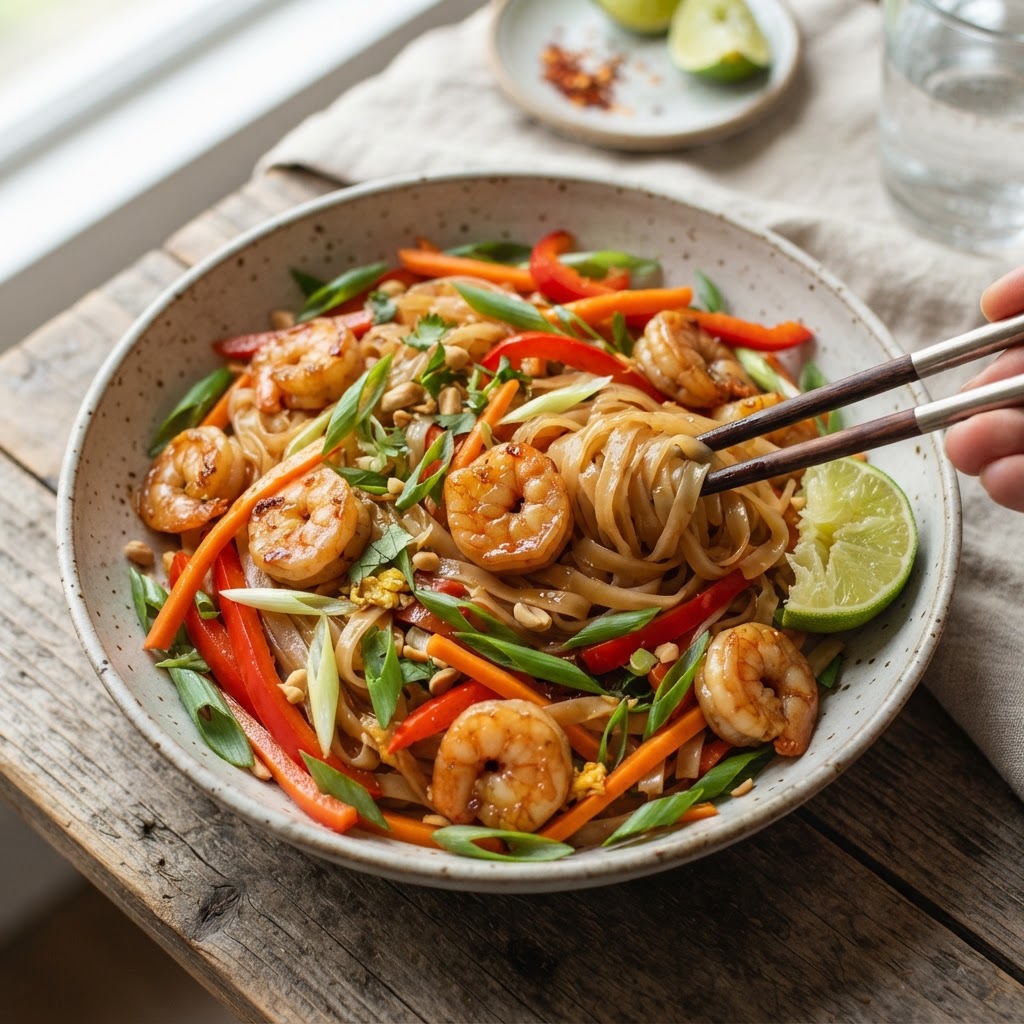
Low-FODMAP Ginger-Lime Shrimp Rice Noodles
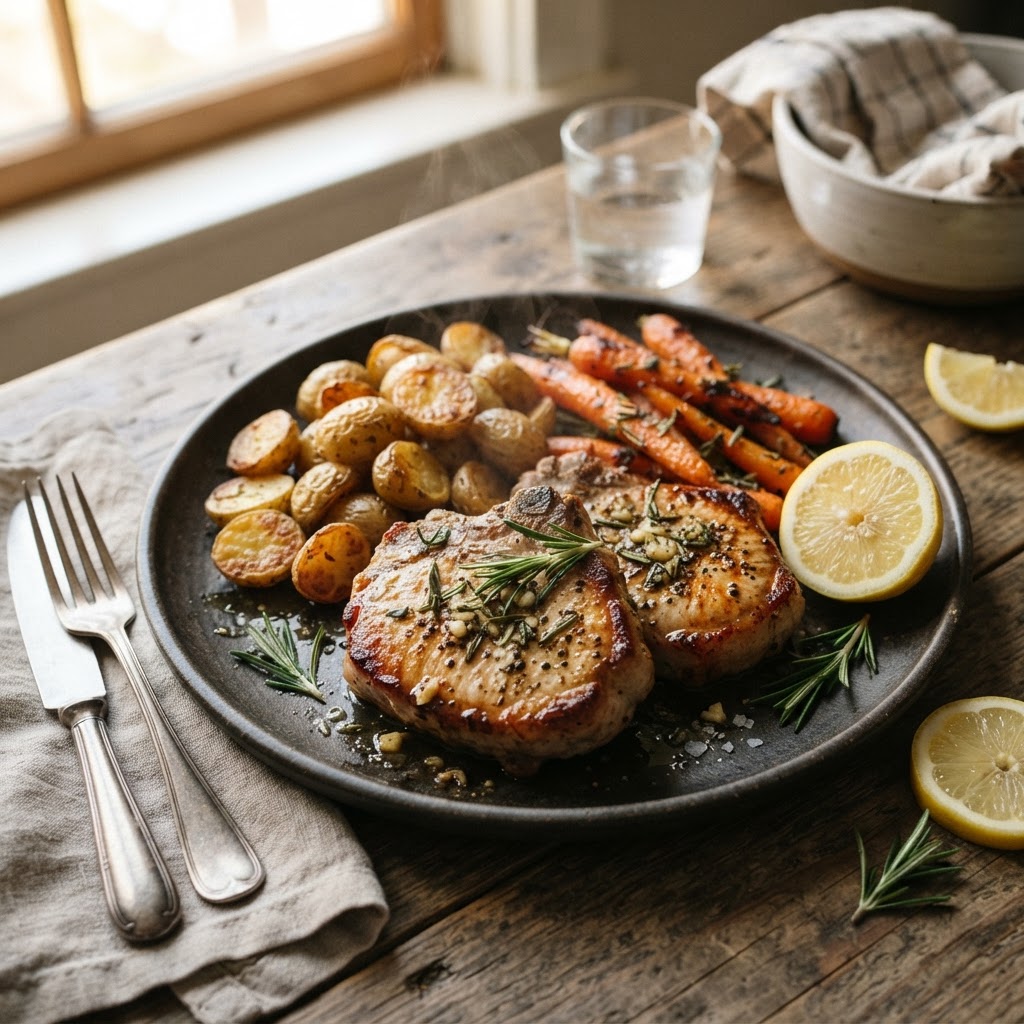
Low-FODMAP Rosemary Pork Chops with Crispy Potatoes & Carrots
Why These Recipes Work
Portion-Aware
FODMAP tolerance can change with serving size. Each recipe is designed around the listed serving rather than simply labeling individual ingredients.
Flavor Without Onion & Garlic
Recipes use techniques such as garlic-infused oil, fresh herbs, chives and green onion tops where appropriate.
Food You'd Actually Make
These are normal breakfasts, dinners and comfort foods first — not bland substitutes built only around a dietary label.
A Quick Guide to Low-FODMAP Cooking
Low-FODMAP Phase
A temporary period using lower-FODMAP choices.
Reintroduction
Foods and FODMAP groups are systematically reintroduced to identify individual tolerance.
Personalization
The goal is a less restrictive long-term diet based on what the individual actually tolerates.
Serving Size Matters
Foods may have different FODMAP ratings at different quantities. The Low-FODMAP designation on Supper.recipes applies to the listed serving size.
How We Keep the Flavor
Without onion and garlic, we build flavor using:
Recipes calling for green onion specify GREEN TOPS ONLY. Recipes using garlic-infused oil do not contain visible garlic solids.
Further Reading
These recipes are internally reviewed against current reputable Low-FODMAP guidance. For authoritative reference material, consult:
Monash University FODMAP ResearchSupper.recipes is not affiliated with or certified by Monash University. External links are for reference only.
What Does Low-FODMAP Mean?
FODMAPs are a group of fermentable carbohydrates found in many common foods. For some people, high-FODMAP foods can trigger digestive symptoms like bloating, gas and discomfort. The Low-FODMAP approach is a structured, three-phase process — restriction, reintroduction and personalization — designed to identify which specific FODMAPs an individual tolerates. It is not meant to be a permanent elimination diet.
Why Serving Size Matters
FODMAP tolerance is portion-dependent. A food that is well-tolerated at a small serving may cause symptoms at a larger one. Each Low-FODMAP recipe on Supper.recipes is designed around its listed serving size. When you scale a recipe, scale the number of servings proportionally rather than eating a double portion as a single serving.
Cooking Without Onion and Garlic
Onion and garlic are high in fructans, a type of FODMAP. In Low-FODMAP cooking, we replace them with flavorful alternatives: garlic-infused olive oil (which captures garlic flavor without the fructans, since fructans are not oil-soluble), the green tops of scallions or green onions, chives, fresh herbs, ginger, citrus and warming spices. These build real flavor without the ingredients most likely to trigger symptoms.
Is Low-FODMAP the Same as Gluten-Free?
No. Some wheat products contain fructans, which is why wheat is limited on a Low-FODMAP diet. But FODMAP restriction and gluten avoidance are not the same thing. Gluten is a protein; FODMAPs are carbohydrates. Not everyone following a Low-FODMAP diet needs to eat gluten-free, and not all gluten-free foods are Low-FODMAP.
Is Low-FODMAP Dairy-Free?
No. Lactose is the relevant FODMAP in many dairy foods. Some dairy products — like hard, aged cheeses and lactose-free milk — are lower in lactose and can fit within a Low-FODMAP approach depending on serving size and individual tolerance. Low-FODMAP is not the same as dairy-free.
Frequently Asked Questions
What is a Low-FODMAP diet?
Are Low-FODMAP recipes gluten-free?
Are Low-FODMAP recipes dairy-free?
Why do serving sizes matter?
Can I use garlic-infused oil?
Can I eat onion or garlic during the Low-FODMAP phase?
Is Low-FODMAP meant to be permanent?
Do individual tolerances differ?
FODMAP tolerance is individual and can depend on serving size. These recipes are designed around their listed portions and are for general informational purposes. A qualified dietitian or clinician can help with an individualized elimination, reintroduction and personalization plan.